
Vitamin D helps your gut absorb calcium and keeps blood calcium levels steady enough for bones to mineralize properly. Correcting a real deficiency supports bone strength, but large trials and a draft federal recommendation both show routine high-dose supplements rarely prevent fractures in healthy adults. The smarter path: test your levels, correct genuine shortfalls, and pair vitamin D with calcium and exercise rather than treating a pill as a stand-alone fix.
TL;DR:
- Routine high-dose vitamin D supplements rarely prevent fractures in healthy adults unless they have a documented deficiency or are in high-risk groups.
- Combining calcium and exercise with vitamin D supplements significantly improves bone density in postmenopausal women, especially within the first six months.
- Blood tests for serum 25(OH)D levels below 30 nmol/L indicate deficiency, and supplementation should be targeted rather than automatic for all adults.
- Excessive doses above 4,000 IU daily increase the risk of toxicity and hypercalcemia, especially without medical supervision.
- A DEXA scan provides a vital baseline to assess bone health before considering or evaluating the effect of supplementation in at-risk populations.
Table of Contents
- How vitamin D affects bone: mechanisms and clinical markers
- Clinical evidence: what randomized trials show about BMD and fractures
- Recommended intakes, upper limits, and target blood levels
- Who benefits from vitamin D supplements and who likely won't
- Safety, side effects, and drug interactions to know
- Why calcium and exercise matter too for bone density
- Measuring bone health: what a DEXA scan shows
- A cautious, test-first approach to vitamin D for bone health
- If you need a bone density test, compare options through Dexascans
- Sources
- FAQ
How vitamin D affects bone: mechanisms and clinical markers
Vitamin D's main job in the skeleton is logistical. It signals the intestines to absorb dietary calcium and helps the kidneys reabsorb it, keeping blood calcium and phosphate within the narrow range bone-building cells need. Without enough vitamin D, the body pulls calcium from bone to protect blood levels, a process that weakens the skeleton over time.

Bone itself is never static. Osteoblasts build new bone matrix while osteoclasts break down old bone, and vitamin D influences both sides of that cycle indirectly through calcium and hormone regulation, including parathyroid hormone. When the system works, bone density holds steady or improves. When vitamin D is chronically low, the imbalance shows up differently depending on age: children and adults with severe, prolonged deficiency can develop rickets or osteomalacia, conditions where bone fails to mineralize properly and becomes soft. Osteoporosis is a separate problem: bone that mineralized normally but has lost density and structural strength over time, usually from aging, hormone changes, or inactivity.
Clinicians assess vitamin D status with a blood test for 25-hydroxyvitamin D, written as 25(OH)D, rather than testing the active hormone directly. It reflects both diet and sun exposure over the prior few weeks.
- Vitamin D supports calcium absorption in the small intestine, which is the primary way it protects bone mineralization.
- Osteoblasts and osteoclasts respond to calcium and hormone signals that vitamin D helps regulate, not to vitamin D acting directly on bone.
- Rickets and osteomalacia result from failed mineralization, while osteoporosis reflects lost density in already-mineralized bone.
- Serum 25(OH)D is the standard test used to diagnose deficiency or confirm adequacy before deciding on supplementation.
Deficiency is defined by serum 25(OH)D below 30 nmol/L, or 12 ng/mL. Below that threshold, the body's calcium-handling machinery starts to falter in ways that matter for bone.
Clinical evidence: what randomized trials show about BMD and fractures
The strongest evidence on vitamin D and bone comes from randomized trials, and the picture is more mixed than most supplement marketing suggests. A randomized clinical trial published in JAMA compared daily doses of 400, 4,000, and 10,000 IU of vitamin D3 over three years and measured volumetric bone density directly. The higher doses did not improve bone density or strength compared with the standard 400 IU dose, and some measures actually declined at the highest dose. That result cuts against the assumption that more vitamin D always means stronger bones.

Meta-analyses paint a more favorable picture for combined interventions rather than vitamin D alone. A systematic review and meta-analysis found that pairing exercise with calcium and vitamin D supplementation significantly improved lumbar spine and femoral neck bone density in postmenopausal women, with pooled standardized mean differences of 0.31 for the spine and 0.47 for the femoral neck. The same review noted that short-term programs of six months or less often produced the largest gains, suggesting an early response that can plateau with longer use.
Context matters enormously when reading this evidence:
- High-dose vitamin D alone, without correcting for baseline deficiency or pairing with other interventions, has not shown a bone density advantage over standard doses in rigorous trials.
- Combined calcium, vitamin D, and exercise programs show measurable BMD improvements, particularly in postmenopausal women.
- Fracture reduction from vitamin D and calcium has been observed mainly in institutionalized older adults, a population with high baseline deficiency rates and limited sun exposure.
The USPSTF recommends against routine vitamin D supplementation, with or without calcium, for the primary prevention of fractures or falls in community-dwelling adults 60 years or older, citing insufficient evidence of benefit. USPSTF draft recommendation, 2025
That distinction, institutionalized or deficient populations versus healthy community-dwelling adults, explains most of the apparent contradiction between headlines. The trials showing benefit almost always involve people who started deficient or lived in settings with minimal sun exposure. Extrapolating those results to active, sun-exposed adults with normal vitamin D levels is where the evidence runs thin.
Recommended intakes, upper limits, and target blood levels
Supplement labels list doses in IU or micrograms, and the conversion is fixed: 40 IU equals 1 mcg. Knowing the government-set targets helps you judge whether a product, or your own habits, land in a reasonable range.
- The RDA is 600 IU per day for adults ages 19 to 70, and 800 IU per day for adults over 70.
- The tolerable upper intake level for adults 19 and older is 4,000 IU per day, and consistently exceeding it raises the risk of toxicity and hypercalcemia.
- Serum 25(OH)D below 30 nmol/L (12 ng/mL) signals deficiency, while levels at or above 50 nmol/L (20 ng/mL) are considered adequate for most people.
- Levels above 125 nmol/L (50 ng/mL) may indicate excess and carry potential harm rather than added benefit.
The gap between the RDA (600 to 800 IU) and the upper limit (4,000 IU) is wide on purpose: it gives room for people with documented deficiency to take higher therapeutic doses under supervision, without implying that healthy adults should aim anywhere near the ceiling. A serum 25(OH)D test, not a label dose, is what should guide anyone considering more than 1,000 to 2,000 IU per day long-term.
Who benefits from vitamin D supplements and who likely won't
Not everyone gets the same return from a vitamin D bottle. Risk of deficiency clusters in identifiable groups, and that's where supplementation tends to move the needle on bone health.
- People with limited sun exposure, including those who are homebound, live at higher latitudes, or consistently cover skin, are more likely to run low.
- Individuals with darker skin produce less vitamin D from the same sun exposure than those with lighter skin, raising deficiency risk.
- People with obesity or malabsorption conditions such as celiac disease or inflammatory bowel disease often have lower circulating vitamin D because of how the vitamin is stored or absorbed.
- Older adults in institutional settings, such as long-term care facilities, show some of the clearest fracture-reduction benefits from vitamin D and calcium supplementation in trials, likely because baseline deficiency and immobility are both common.
- Postmenopausal women with existing osteoporosis are another group where combined supplementation and exercise shows measurable BMD gains.
Outside these groups, the evidence thins out fast. Healthy, community-dwelling adults with normal sun exposure and adequate diets generally show little fracture-prevention benefit from adding a vitamin D supplement, which is exactly the population the draft USPSTF guidance addresses. If you don't fit one of the higher-risk profiles above, a supplement is unlikely to change your fracture risk in any way that shows up in the data.
Safety, side effects, and drug interactions to know
Vitamin D toxicity is uncommon, but it does happen, usually from long-term high-dose supplementation rather than diet or sun exposure. The mechanism is straightforward: too much vitamin D pushes calcium absorption too high, leading to hypercalcemia.
- Watch for nausea, weakness, frequent urination, and confusion, which are the classic early signs of elevated blood calcium.
- Thiazide diuretics can raise calcium levels further when combined with vitamin D, increasing hypercalcemia risk.
- Some statins may interact with vitamin D metabolism, and the combination warrants clinical awareness rather than automatic avoidance.
- Anyone on these medication classes, or considering doses above the standard RDA, should talk to a clinician before starting a high-dose regimen.
Pro Tip: Get a baseline serum 25(OH)D test before starting any dose above 1,000 to 2,000 IU per day, then recheck after about three months to confirm you're in range rather than guessing.
Why calcium and exercise matter too for bone density
Vitamin D works as part of a system, not a solo act. Calcium is the raw material bones need, and vitamin D is only useful for building density if the diet actually supplies enough of it. Mechanical loading from exercise is the other half of the equation that a pill alone cannot replace.
- Adequate dietary calcium, combined with sufficient vitamin D, is a prerequisite for meaningful mineralization, since one nutrient without the other limits absorption or use.
- Resistance training and weight-bearing exercise, alongside some whole-body vibration protocols, show measurable BMD benefit when combined with calcium and vitamin D supplementation.
- A practical plan: confirm vitamin D status with a blood test, correct any deficiency, keep calcium intake adequate through diet or supplements, and add regular resistance or weight-bearing exercise.
Combined calcium, vitamin D, and exercise programs improved lumbar spine bone density by a standardized mean difference of 0.31 and femoral neck density by 0.47 in pooled trials of postmenopausal women, a larger effect than most single-intervention studies show for supplements alone.
Measuring bone health: what a DEXA scan shows
A DEXA scan is the clinical standard for measuring bone mineral density, and it's the test behind most of the numbers cited in this article. It scans the lumbar spine and femoral neck, the two sites most predictive of fracture risk, and reports a T-score comparing your density to a healthy young adult.
- A T-score of -2.5 or lower at either site meets the standard definition of osteoporosis, while scores between -1.0 and -2.5 indicate low bone mass, or osteopenia.
- Z-scores compare your density to others your own age and sex, which is more useful for younger patients or those with a secondary cause of bone loss.
- Screening is generally recommended for postmenopausal women and older adults, with monitoring intervals typically spaced one to two years apart depending on baseline results and risk factors.
If you want to see what a DEXA scan measures and how the results translate into a T-score before booking one, that's worth reading first. A national platform lists many verified DEXA locations across states, with transparent cash pricing and no referral required, which makes it a practical way to get a baseline reading before deciding whether supplementation makes sense for you.
A cautious, test-first approach to vitamin D for bone health
The honest takeaway from the trial data is that vitamin D corrects a deficiency, it doesn't optimize a normal system. Chasing a higher dose in hopes of extra bone protection is not supported by the evidence, and the JAMA trial suggests it can even backfire at the volumetric level. I'd rather see someone get a blood test and a DEXA scan than start an arbitrary high-dose regimen based on a headline.
Correct real deficiency, keep calcium and exercise in the plan, and treat a supplement bottle as a targeted fix, not a bone-strength strategy in itself.
— Erik
If you need a bone density test, compare options through Dexascans
Deciding whether vitamin D or calcium supplementation is doing anything for your bones starts with a number, not a guess. A DEXA scan gives you that number, and getting one without a hospital referral or inflated pricing is easier than most people expect.
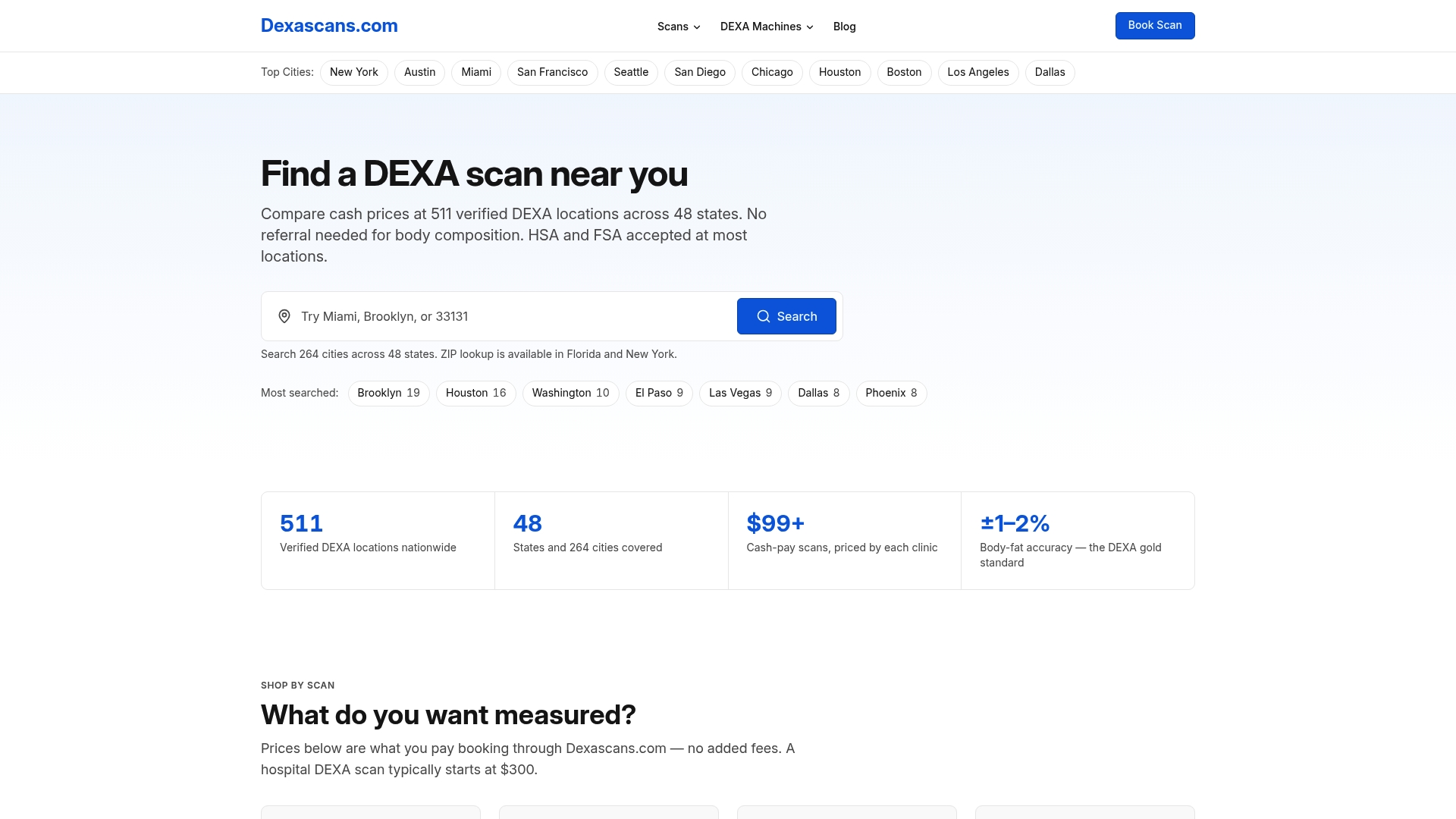
Dexascans.com lists verified DEXA providers in 48 states with transparent cash pricing you can compare before booking, so you know the cost upfront instead of waiting for a hospital bill. A timely scan also gives you and your clinician an actual baseline to track, whether you're correcting a deficiency, managing osteoporosis risk, or just want a data point before starting any supplement regimen.
- Search DEXA scan locations near you across 48 states and compare cash prices before booking.
- Review the bone density test page for a breakdown of what's included, typical costs, and how T-scores are reported.
- No physician referral is required to book a scan directly through a listed provider.
This article is general information, not a substitute for advice from a qualified doctor. Consult a qualified healthcare professional about your own circumstances before acting on anything here.
Sources
- USPSTF draft recommendation: Vitamin D and calcium for primary prevention
- Effect of High‑Dose Vitamin D Supplementation on Volumetric Bone Density and Bone Strength: A Randomized Clinical Trial (JAMA)
- Meta-analysis: Exercise combined with calcium and vitamin D improves bone mineral density in postmenopausal women (PMC)
FAQ
Can I take diltiazem with vitamin D?
There's no well-documented direct interaction between diltiazem and standard-dose vitamin D, but any medication affecting calcium channels or heart rhythm warrants a conversation with your prescriber before adding a new supplement. Bring your current medication list to that discussion, since combinations with other drugs like thiazide diuretics carry clearer, documented calcium-related risks.
How much vitamin D is recommended for BPPV?
There is no established vitamin D dose specifically for treating benign paroxysmal positional vertigo, and definitions of an effective dose for this purpose vary across smaller studies. If you suspect a link between vitamin D status and vertigo symptoms, a serum 25(OH)D test and a conversation with your doctor is the appropriate first step rather than self-dosing.
What happens if I take 5,000 IU of vitamin D3 every day?
Daily doses above the RDA and above the 4,000 IU tolerable upper intake level for long-term use in adults raise the risk of hypercalcemia over time. Anyone taking a high dose long-term should get a baseline and follow-up serum 25(OH)D test to confirm it's necessary and not pushing levels above 125 nmol/L (50 ng/mL).
Can taking too much vitamin D3 cause osteoporosis?
Excess vitamin D doesn't directly cause osteoporosis, but a randomized trial found that very high doses (4,000 to 10,000 IU per day) failed to improve, and in some measures worsened, volumetric bone density and strength compared with a standard 400 IU dose. That finding suggests megadosing offers no bone advantage and may work against the density gains people are trying to achieve.