

Skip metal and jewelry, stop calcium supplements at least 24 hours ahead, and tell your technologist about pregnancy, recent fractures, or contrast imaging before you book. Eat and drink normally, since fasting isn't required. Plan for about 30 minutes at the clinic, most of it intake and positioning, with the actual scan taking a few minutes. Dexascans lists verified clinics if you still need to book one.
TL;DR:
- Avoid metal, jewelry, and clothing with metal fasteners to prevent image distortion and reduce the likelihood of requiring a repeat scan.
- Stop calcium supplements and calcium-containing multivitamins at least 24 to 48 hours before the appointment to ensure accurate results.
- Wait 10 to 14 days after contrast imaging procedures like CT or MRI before scheduling a DEXA scan to avoid interference with the results.
- Book appointments early in the morning and under similar conditions each time to improve consistency in longitudinal body composition tracking.
- Confirm with the clinic about gown policies, contrast timing, and upfront pricing to prevent delays, rescheduling, or unexpected charges.
Table of Contents
- What to Wear and What to Leave at Home
- Medications, Supplements, and Recent Imaging to Report
- Day-of Rules: Eating, Hydration, and What to Bring
- During the Scan: Positioning, Stillness, and What to Expect
- After the Scan: What Your Results Actually Mean
- What Throws Off a DEXA Scan (and How to Avoid It)
- Should You Exercise Before Your DEXA Scan?
- When and How to Schedule Your Scan for the Most Accurate Results
- Do You Need to Prepare for Contrast Before a DEXA Scan?
- Why Verified Clinics and Transparent Pricing Actually Matter
- Finding a Verified Clinic and Booking With Confidence
- Sources
What to Wear and What to Leave at Home
Metal is the enemy of a clean DEXA image. Zippers, snaps, underwire bras, and belt buckles show up on the scan and can force a technologist to reposition you or ask you to change clothes, adding delay and, in some cases, distorting the readings around your spine or hips. The CDC recommends wearing loose, comfortable clothing without metal fasteners, which in practice means sweatpants, a soft T-shirt, or gym clothes without a metal clasp.
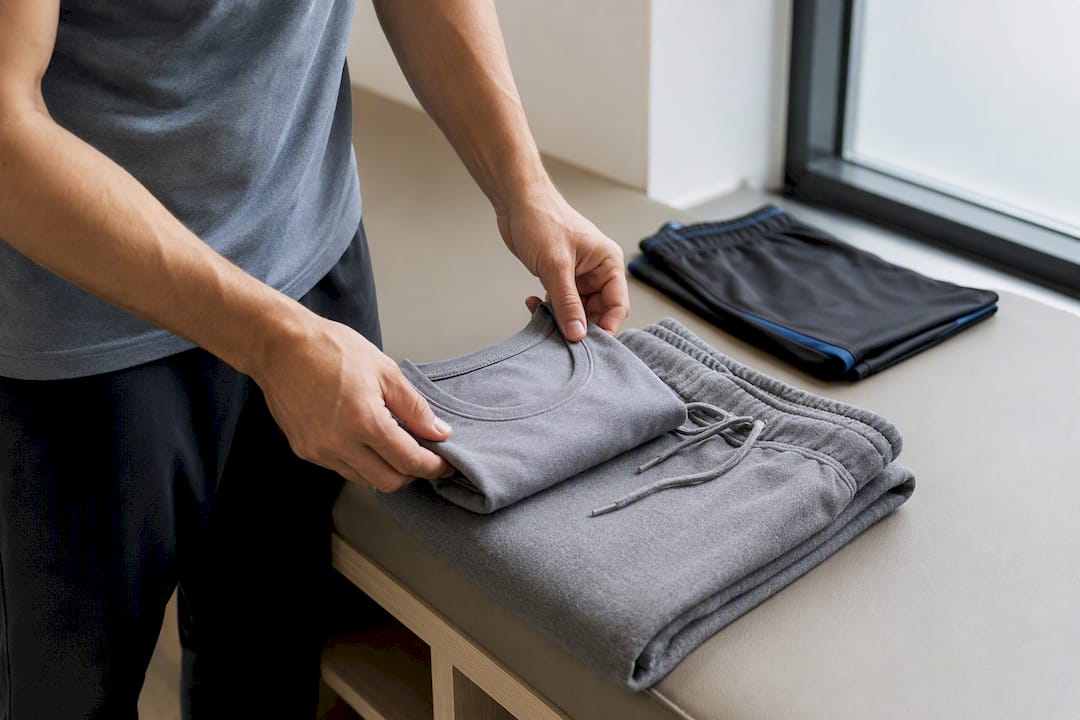
Many clinics will hand you a gown anyway, especially if your outfit has any doubt built in, so don't stress over getting it perfect. If you have a hip or knee implant, mention it when you schedule. Metal hardware can obscure the exact site the scan needs to read, and the technologist may need to adjust which regions get imaged.
Before you leave for your appointment:
- Remove all jewelry, watches, and body piercings in the scan area
- Take out eyeglasses and any removable dental appliances
- Skip belts, underwire bras, and clothing with metal zippers or snaps
- Bring a photo ID and any prior bone density reports for comparison
Medications, Supplements, and Recent Imaging to Report
Calcium is the one supplement that actively interferes with DEXA accuracy. Undigested calcium sitting in your gut can appear in the scan field and skew your bone density numbers, particularly around the lumbar spine. RadiologyInfo advises stopping calcium supplements for at least 24 hours before the exam, though many clinics extend that window to 48 hours to be safe. Your regular multivitamin counts here too if it contains calcium, so check the label.
Recent contrast imaging is the other major timing issue. If you've had a barium study, or received contrast for a CT, MRI, or nuclear medicine scan, that material can still be in your system and interfere with the X-ray beam DEXA relies on. UC Davis Health advises waiting 10 to 14 days after these procedures before scheduling a DEXA scan. If you're not sure whether your recent imaging counts, call the clinic before you book rather than after you arrive.
When you schedule, mention:
- Any calcium supplements or calcium-fortified multivitamins you take
- Barium exams, contrast CT/MRI, or nuclear scans in the past two weeks
- Recent fractures, surgeries, or joint replacements
- Whether you are or might be pregnant
Technologists ask these screening questions for a reason. Recent fractures and surgical hardware change what a normal reading looks like at that site, and pregnancy status affects whether the scan should happen at all.
Day-of Rules: Eating, Hydration, and What to Bring
There's no fasting requirement for a DEXA scan. Eat a normal meal, drink water, have your coffee. Unlike blood work or certain imaging studies that demand an empty stomach, DEXA measures bone mineral density and body composition through X-ray absorption, and digestion doesn't interfere with that process.
Hydration works in your favor, especially for body composition scans, since dehydration can shift the fat and lean-mass percentages the machine reports. Drink water like you normally would that day. Some clinics suggest skipping intense exercise right before the appointment, mainly because sweat and muscle swelling can introduce small variability into composition readings, so ask your clinic if this applies to their protocol.
Bring these items to your appointment:
- A photo ID for check-in
- Insurance card, if your visit is billed through insurance
- A list of current medications and supplements
- Any prior DEXA or bone density reports for comparison
During the Scan: Positioning, Stillness, and What to Expect
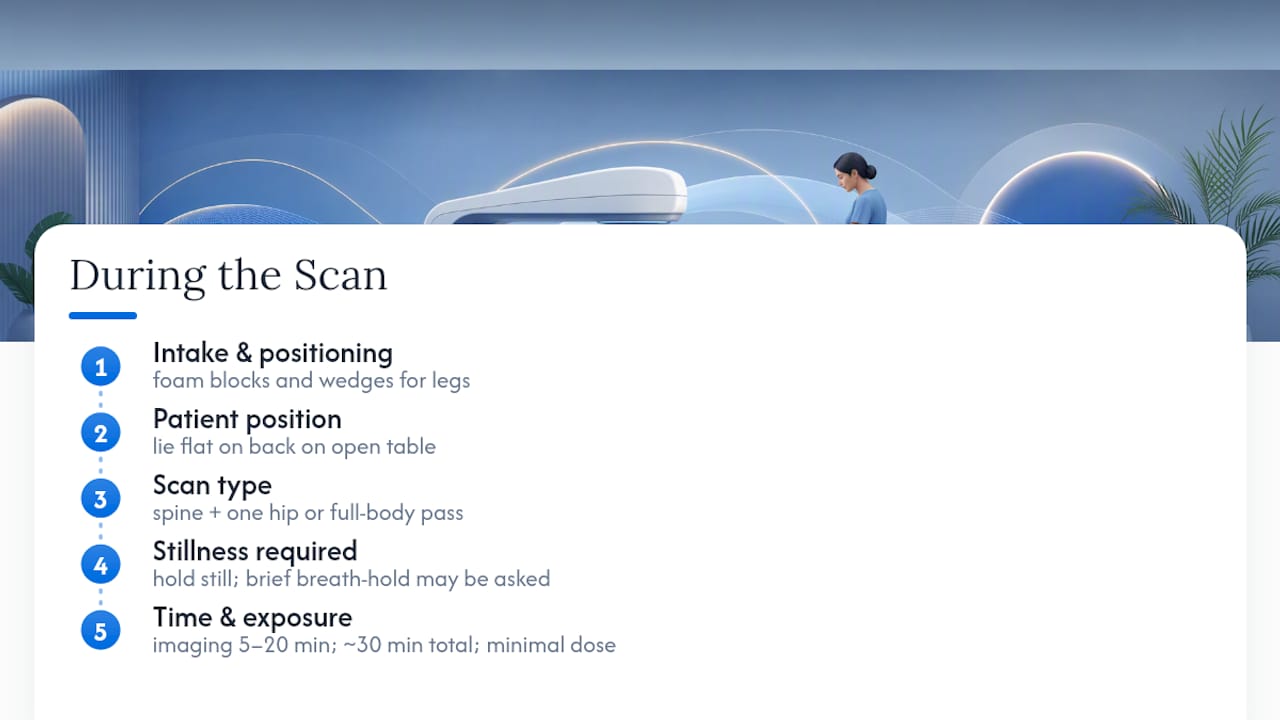
You'll lie flat on an open table, usually on your back, while a scanning arm passes slowly overhead. For a bone density exam, the technologist typically images your lower spine and one hip. A body composition scan captures your entire body in a single pass. Neither involves a tube or enclosed space, so claustrophobia isn't a concern here.
Foam blocks and positioning wedges keep your legs and feet at the correct angle, and the CDC notes that technologists use these aids and may ask you to hold still or briefly hold your breath so the image stays sharp. Movement is the single biggest threat to accuracy here. A shifted hip or a mid-scan cough can blur the image enough that the technologist has to repeat that section.
The scan itself moves fast. Actual imaging time runs 5 to 20 minutes, though plan on roughly 30 minutes total at the clinic once you count intake and positioning. Radiation exposure is minimal. DEXA uses a dose lower than a standard chest X-ray, which is part of why it's the go-to tool for repeat monitoring over years.
Pro Tip: If you tend to get restless lying still, ask the technologist for a brief pause between the spine and hip images. A ten-second break beats a blurred scan that needs to be redone.
After the Scan: What Your Results Actually Mean
Your report will include a T-score, which compares your bone density to a healthy young adult of the same sex, and often a Z-score, which compares you to people your own age. A physician or the ordering provider interprets these numbers, not the technologist who ran the scan.
Most clinics release results within a few days to a week, depending on how the ordering doctor's office processes them. If your T-score signals low bone density, expect a conversation about repeat scans in one to two years or treatment options. Contact your provider promptly if your report flags a fracture risk or a sharp change from a prior scan, since that's worth discussing sooner rather than at your next annual visit. For a deeper breakdown of what these T-scores and Z-scores mean for your bone density, it helps to review the specifics before your appointment.
What Throws Off a DEXA Scan (and How to Avoid It)
A handful of avoidable mistakes account for most inaccurate DEXA results:
- Metal on your body or in your clothing. Zippers, jewelry, and underwire show up on the image and can force a rescan.
- Movement during the scan. Even small shifts blur the image and distort measurements at that site.
- Recent contrast or barium imaging. Residual contrast material interferes with the X-ray beam if you scan too soon after.
- Undisclosed implants or surgical hardware. These change baseline readings at the scanned site and may require an adjusted protocol.
- Pregnancy. DEXA is not performed during pregnancy, which is why technologists ask before you get on the table.
If your case involves multiple joint replacements, a history of spinal surgery, or a recent complex fracture, ask the clinic ahead of time whether they need a modified scanning approach. A quick phone call beats an appointment that has to be rescheduled.
Should You Exercise Before Your DEXA Scan?
Light activity on the day of your scan is fine. What matters more is what you do in the hours immediately beforehand. Intense strength training or a long run right before a body composition scan can temporarily shift fluid in your muscles, and that swelling can nudge your lean-mass and fat percentage numbers in ways that don't reflect your actual baseline.
If your DEXA is purely a bone density scan for osteoporosis screening, exercise timing matters less, since bone mineral content doesn't fluctuate hour to hour the way soft tissue hydration does. But if you're tracking body composition over time, for fitness progress or weight management, consistency is what makes the numbers useful. Try to scan under similar conditions each time, ideally without a hard workout in the few hours prior.
There's no need to rest for days beforehand. A normal daily routine, minus a heavy session immediately before the appointment, is enough. If you're getting scans repeated every few months to track progress, keep your pre-scan routine as close to identical as possible each visit. That consistency matters more than any single rule about exercise, since it's the comparison between scans that tells you whether your training or diet is actually working.
When and How to Schedule Your Scan for the Most Accurate Results
Morning appointments tend to work best for body composition scans. Your hydration and food intake are more predictable first thing in the day, before meals, workouts, or long hours on your feet introduce fluid shifts that can nudge the numbers. If you're scheduling a pure bone density scan for osteoporosis screening, time of day matters far less, since bone mineral content is stable throughout the day.
Consistency across visits matters more than the specific hour you pick. If your first scan happened at 9 AM after an overnight fast, try to book follow-up scans under similar conditions. That's the only way to trust that a change in your numbers reflects your body, not your schedule that day.
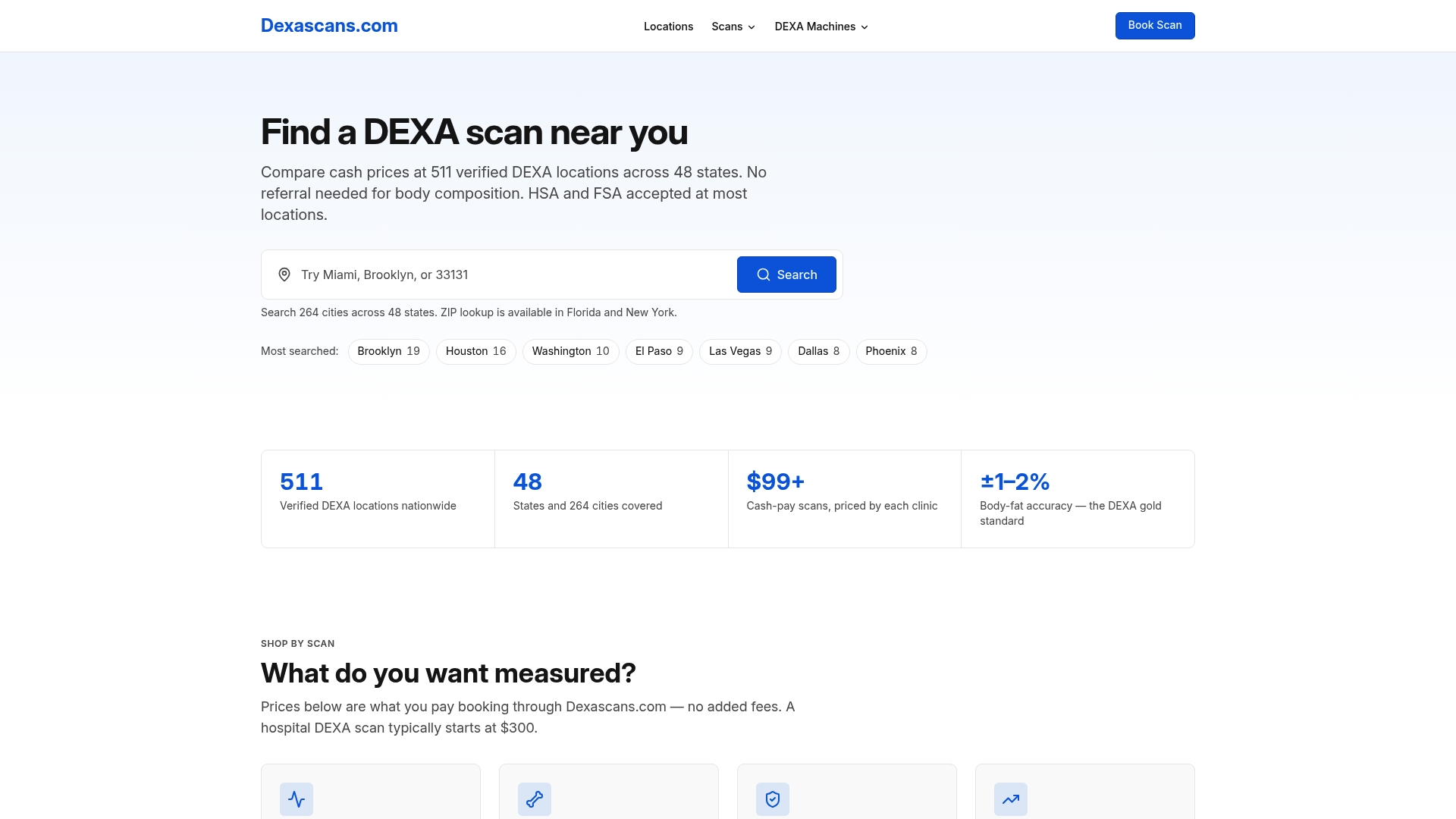
When you're ready to book, search by city or ZIP code on a platform like Dexascans' clinic locator to compare cash prices and confirm which scan types a location offers, since not every clinic runs both body composition and bone density on the same machine. Booking directly means no physician referral is required in most cases, though it's worth confirming that with the specific clinic. Call ahead if you have questions about gown policy, wait times, or whether they can accommodate a specific appointment window that matches your prior scan's timing.
Do You Need to Prepare for Contrast Before a DEXA Scan?
Standard DEXA scans, whether for bone density or body composition, don't use any injected contrast agent. This is one of the more reassuring facts about the procedure: you won't need an IV, you won't be asked to drink a contrast solution, and there's no dye involved at all. The scan works entirely through a low-dose X-ray beam passing through your body.
Where contrast becomes relevant is in the timing around other, separate procedures. If you've recently had a CT, MRI, or nuclear medicine scan that involved contrast material, or a barium study for a GI exam, that's a different situation entirely, and it's the reason clinics ask about your recent imaging history. Residual contrast material can interfere with how the DEXA beam reads bone density, which is why the standard guidance calls for a waiting period after those procedures before scheduling your DEXA.
If your doctor has specifically ordered a variation of bone imaging that does involve contrast, that's a distinct procedure from a standard DEXA scan, and your provider will give you separate prep instructions for it. For the vast majority of people booking a routine bone density or body composition scan, there's simply nothing to prepare for on the contrast front. It's one less thing on your checklist.
Why Verified Clinics and Transparent Pricing Actually Matter
Prep instructions only help if the clinic you book with actually follows consistent protocols. Dexascans verifies over 511 locations across 48 states, and that verification process exists because clinics that post transparent cash pricing upfront also tend to run tighter scheduling and screening practices, which cuts down on the rescheduling that comes from unclear instructions.
Verified pricing means fewer surprises and fewer canceled appointments over billing confusion. Consistency across visits, especially for body composition tracking, depends on picking a clinic that runs the same protocol every time. Still, call ahead with any medical questions specific to your case. A five-minute phone call beats an appointment that gets rescheduled at the door.
— Erik
Finding a Verified Clinic and Booking With Confidence
Once you know how to prepare, the next question is where to go. Dexascans is built specifically to solve that: search by city or ZIP, compare real cash prices side by side, and confirm exactly which scan types a location runs, whether that's a full body composition scan, a bone density scan, or a combined appointment with VO2 max or RMR add ons.
Cash pricing at hospital-affiliated imaging departments can run several times higher than what independent clinics charge for the same scan, and that gap is exactly why comparing prices before you book matters. When you call a clinic to confirm your appointment, ask directly about their gown policy, whether they need advance notice for contrast or surgical history, and whether their posted cash price is the final price or subject to add-on fees. Getting clear answers to those three questions before you show up prevents most of the day-of surprises that lead to rescheduled scans.
Ready to find a location near you? Browse verified DEXA scan clinics by city or ZIP and compare pricing before you book.
Sources
- Facts About Bone Density (DEXA Scan) | CDC
- DEXA: patient instructions | UC Davis Health
- Bone Density Scan (DEXA) | RadiologyInfo
This article is general information, not a substitute for advice from a qualified doctor. Consult a qualified healthcare professional about your own circumstances before acting on anything here.